
It’s Not Your Age
What’s Actually Changing in Your Body After 45 – and What You Can Do About It
This is something we hear almost every week.
“I think it’s just my age now.”
“I used to be able to do this without thinking.”
“My body just doesn’t respond like it used to.”
Most people don’t say this dramatically. They say it matter-of-factly. Almost like they’ve accepted it.
Most of the people we coach are in their late 40s and 50s, and nearly all of them arrive believing the same thing.
The truth is this: it’s rarely your age that’s the problem. It’s what has quietly changed in how your body is being used.
What actually changes after 45
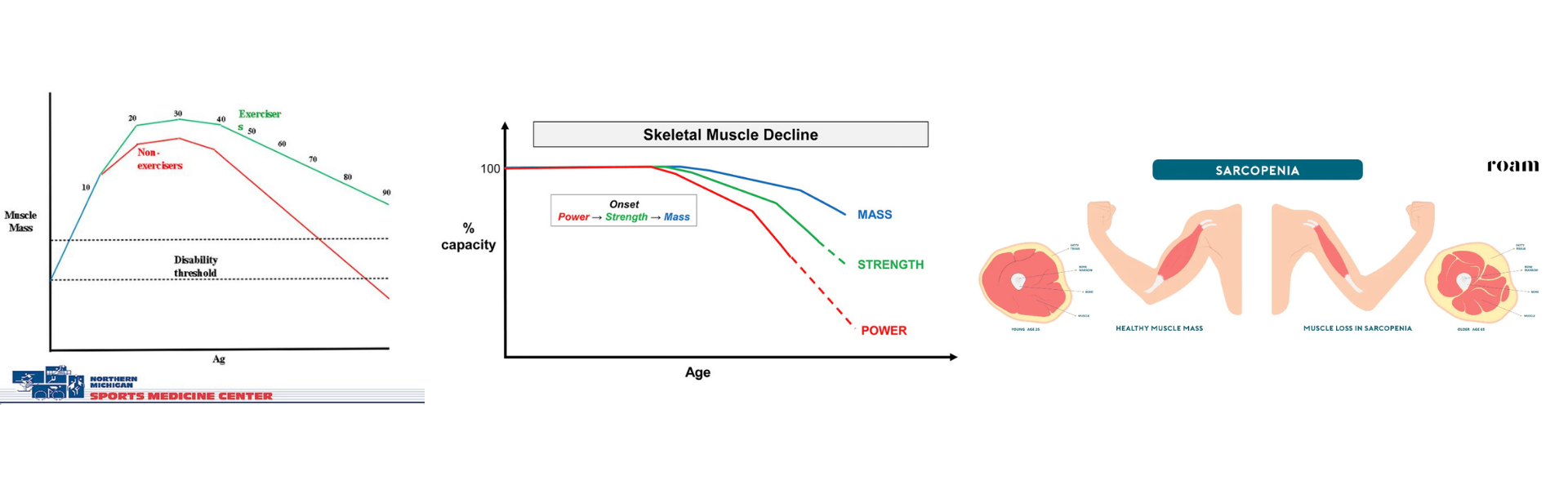
There are real physiological changes as we get older, but they’re often misunderstood or exaggerated.
- Muscle mass and strength slowly decline if they aren’t trained
- Power drops faster than strength
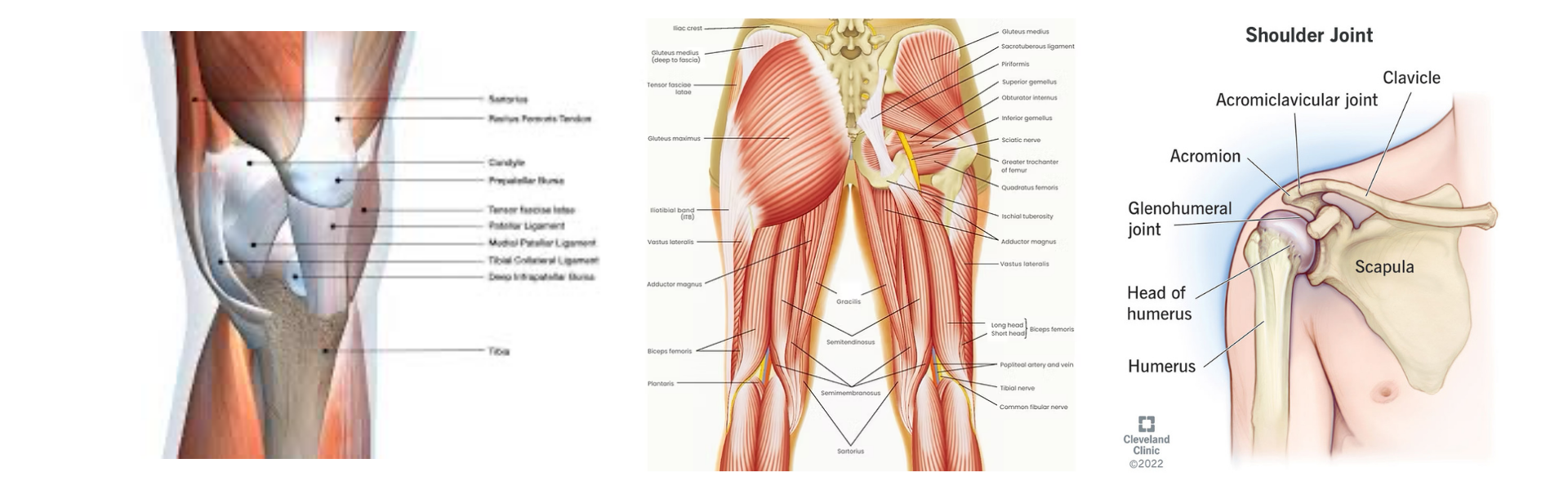
- Joints start to feel stiffer due to reduced movement variety and load
- Recovery can feel slower when training is inconsistent or unstructured
What ageing does not automatically cause
Age does not automatically mean constant aches and pains, fragility, or loss of independence.
The real issue we see in 45–50+ adults
Most people don’t suddenly get old. Training becomes inconsistent, niggles lead to stopping, confidence drops, and strength slowly fades.
What actually works after 45
- Progressive strength training
- Gradual exposure to load
- Restoring movement quality before intensity
- Consistency over motivation
How we approach this in our programme
We built our programme specifically for people in this stage of life.
The takeaway
Age changes the rules slightly. It doesn’t end the game.